
The popularity of mobile living continues to rise in 2026. Recent industry estimates show that nearly 52 percent of new conversion owners rank plumbing performance as their top concern after structural safety. Buyers searching for converted RVs for sale often inspect water systems carefully because plumbing determines long-term comfort. A bus may look beautiful inside, but without proper water management, daily living quickly becomes difficult.
Life inside a converted vehicle depends heavily on a well-planned plumbing system. Water supports cooking, cleaning, bathing, and sanitation if you have a flush toilet. Unlike a traditional house, every component inside an RV conversion must operate efficiently, even while the vehicle is moving. Space remains limited, so every pipe, tank, and connection must serve a clear purpose.
Understanding the basics begins with recognizing that water supply and waste removal must work together. Freshwater enters the system, supports daily tasks, and then exits safely through the grey and black tanks. When there is a balance between supply and disposal, mobile living feels natural and comfortable.
Designing a Reliable Fresh Water System
Freshwater storage forms the foundation of any successful conversion. Converters must determine how much water they need before installing tanks. Weekend warriors may use 10–15 gallons per day, while full-time travelers often require twice that amount. If you have your own washer/dryer on board, you will use considerably more water. Proper planning reduces refill stops and supports longer travel periods. The more people who travel in a vehicle is also a determining factor.
Modern conversions now include advanced filtration systems. In 2026, surveys within the conversion community indicate that over 65 percent of builders install multi-stage filtration to ensure safe drinking water wherever they go. Clean water improves health and prevents sediment buildup inside pipes and pumps. Even water spigots in a campground can produce unhealthy water, especially those that don’t get used much.
- Key elements that strengthen a freshwater system include:
- Proper tank sizing based on travel duration
- Food-grade freshwater tanks that prevent contamination
- Pressure pumps that maintain consistent flow
- Filtration systems designed for varied water sources
- Accessible fill ports for easy refilling
Some travelers rely on campground hookups, while others prefer independent systems that support off-grid travel. Those who primarily stay at campgrounds when traveling may not need very large tanks. However, if you are planning extensive off-grid stays, you will need much larger tanks.
Freshwater planning also impacts resale value. Many people buying converted buses prioritize vehicles with adequate and reliable water storage, since upgrading the plumbing later can be labor-intensive. Therefore, if you are converting a bus for your own use but plan to sell it later, consider installing large tanks to accommodate multiple uses.
Managing Grey Water and Black Water Systems
Waste management determines sanitation quality inside a converted bus. Greywater collects used water from sinks and showers, while blackwater collects toilet waste. Separating these systems keeps maintenance simple and prevents contamination. If you have a compost toilet, such as the Nature’s Head, you can do without a blackwater tank.
Modern waste systems have improved significantly. Data from 2026 shows that smart tank monitoring technology reduced unexpected overflow incidents by nearly 38 percent compared to earlier systems. Digital level indicators allow travelers to track tank capacity before problems occur. You can create your own low-budget sight glass by running a piece of clear tubing on the outside of the tank from the bottom to the top, or you can buy a more elaborate electronic system to monitor your tank’s capacities from inside the bus.
A well-designed waste system focuses on several important factors:
- Adequate tank capacity for extended travel
- Proper venting to control odors
- Easy access dump valves
- Secure tank mounting for road stability
- Clear routing of drainage lines
Some builders position tanks centrally to balance vehicle weight. Others design hidden access points that simplify dumping without disturbing interior layouts.
Safe disposal remains essential. Travelers must empty tanks at approved dump stations to protect the environment and maintain hygiene standards. Reliable waste systems enable owners to travel with confidence, without worrying about sanitation challenges.
Different states have different laws regarding draining wastewater onto the ground. While some places allow dumping greywater on the ground if you use biodegradable soap, almost no place allows draining blackwater tanks onto the ground, and there are stiff penalties if you do. Also, draining either tank on the ground can attract flies and other bugs to your rig and others around you.
Selecting Fixtures That Support Efficiency
Fixtures inside a converted bus must conserve water while delivering comfort. Standard household fixtures often waste more water than mobile systems can support. Converters, therefore, choose compact, efficient alternatives designed for RVs, which are suited to limited resources.
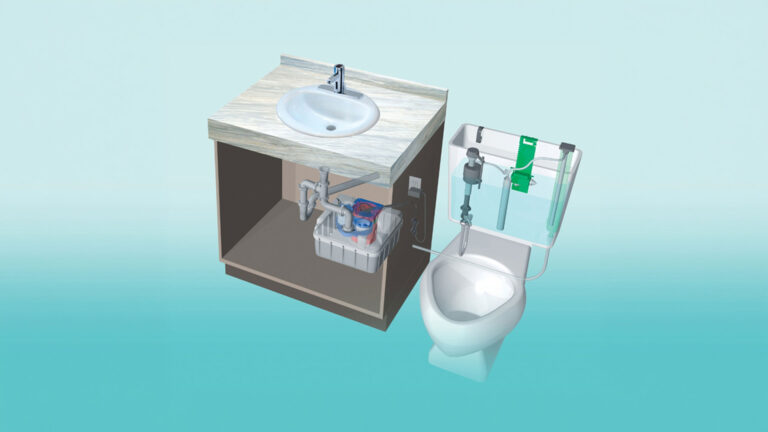
Low-flow faucets and showerheads reduce consumption without affecting usability. Lightweight sinks and toilets prevent excess vehicle weight. Flexible plumbing lines help accommodate movement during travel, reducing the risk of leaks. Material selection plays a major role in long-term reliability. Showers use much less water than bathtubs, and shower water can be recycled to flush the toilet.
Important fixture considerations include:
- Low-flow showerheads that conserve water
- Compact sinks designed for small spaces
- Durable flexible plumbing connections
- Water-saving toilets suitable for mobile use or a compost toilet
- Corrosion-resistant fittings for longevity
- Experienced builders often recommend investing in dependable components early rather than replacing cheaper equipment later.
- Efficient fixtures also appeal to buyers comparing converted RVs, as they signal thoughtful engineering rather than decorative upgrades alone.
Powering Plumbing Systems During Travel
Water systems require dependable power to function smoothly. Pumps maintain water pressure. Water heaters provide comfort during colder travel conditions and provide hot showers. Monitoring devices track tank levels and system performance.
In 2026, renewable energy continues to shape conversion design. Reports suggest that about 58 percent of new builds integrate solar energy systems capable of powering lighting and plumbing components independently. Solar-supported systems reduce reliance on campground hookups and support extended travel in remote areas, as more and more Nomads prefer living off-grid. Campgrounds are getting very expensive in many places, so if you can boondock much of the time, you can save a lot of money.
Powering plumbing successfully involves balancing energy demand with storage capacity. Converters calculate pump usage, heating requirements, and monitoring systems before selecting batteries or solar panels.
Reliable power creates consistency. Travelers enjoy hot showers, steady water pressure, and dependable sanitation regardless of location. A well-powered plumbing system transforms a vehicle into a functional home rather than a temporary shelter.
Preventive Maintenance for Long-Term Success
Routine maintenance keeps plumbing systems running efficiently. Mobile environments expose pipes and tanks to vibration, temperature shifts, and changing water quality. Regular inspections prevent small issues from becoming expensive repairs. For anyone traveling in freezing temperatures, consideration must be made to insulate all tanks and piping, or even draining all the water out of the system in sub-freezing weather.
Essential maintenance practices include:
- Checking fittings for leaks every travel cycle
- Cleaning filters to maintain water quality
- Sanitizing tanks periodically
- Inspecting pumps and electrical connections
- Winterizing systems before cold-weather travel
The RV Conversions Community Forum, with over 400,000 threads, remains a valuable resource for troubleshooting maintenance concerns. Experienced members respond quickly to questions, often sharing solutions based on decades of hands-on experience. Forum activity increased by nearly 25 percent in 2026 as more travelers joined the conversion lifestyle and relied on shared knowledge.
Preventive care also protects investment value. Buyers researching converted buses often request maintenance history because of consistent upkeep, signal reliability, and responsible ownership.
Buying Smarter and Planning Future Upgrades
Understanding plumbing systems helps buyers make informed purchasing decisions. Many people focus first on aesthetics when looking at converted RVs, yet plumbing quality often determines long-term satisfaction. A reliable system immediately reduces repair costs and improves travel comfort.
If you are buying a used bus conversion that someone else built, you should evaluate several plumbing features before making a decision:
- Is the freshwater capacity suitable for your travel goals
- Condition of grey and black tanks
- Quality of pumps and filtration systems
- Accessibility for maintenance tasks
- Evidence of professional installation or thoughtful DIY work
- Inspection of any current or previous leaks
Upgrading plumbing over time remains common. Travelers often begin with basic systems and expand their capacity after gaining real experience on the road. Continuous learning supports steady improvement rather than rushed decisions during initial construction. It is hard to replace a current tank with a larger tank, but it is not very difficult to install a second tank to increase your capacity. An additional tank also gives you a backup if your primary tank runs dry, either because you didn’t plan accordingly or you left a faucet open and your tanks get pumped dry without you realizing it.
Bottom Line
Managing water and waste inside a converted vehicle requires thoughtful planning, reliable equipment, and consistent maintenance. Fresh water storage, waste management, efficient fixtures, reliable power, and preventive care all work together to create a comfortable living environment. Each element builds upon the others, forming a system that supports real travel experiences rather than temporary solutions.